

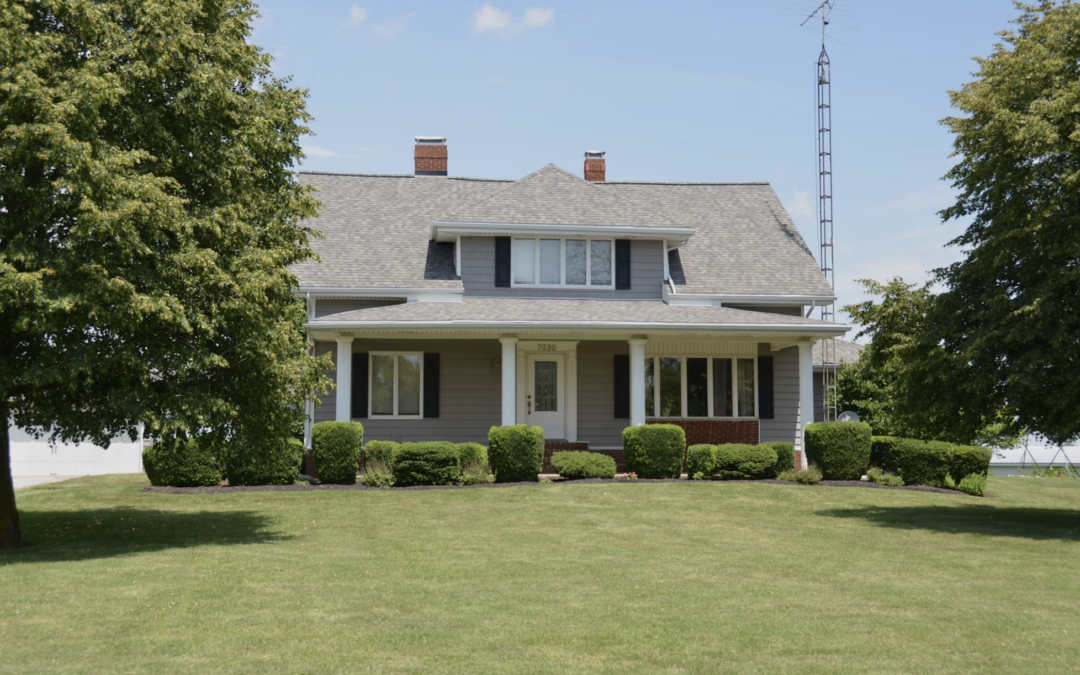
Many people shopping for a new home hear the terms modular and manufactured used as if they mean the same thing. They do not. Understanding the difference between modular homes and manufactured homes helps you pick the option that fits your land, budget, and plans.
Both start in a factory, yet the building rules, how the home sits on the land, financing choices, and long-term value set them far apart. Families in Pennsylvania, New York, and New Jersey often turn to custom modular homes when they want a permanent, code-matched house that looks and performs like a site-built home.
What Is a Modular Home?
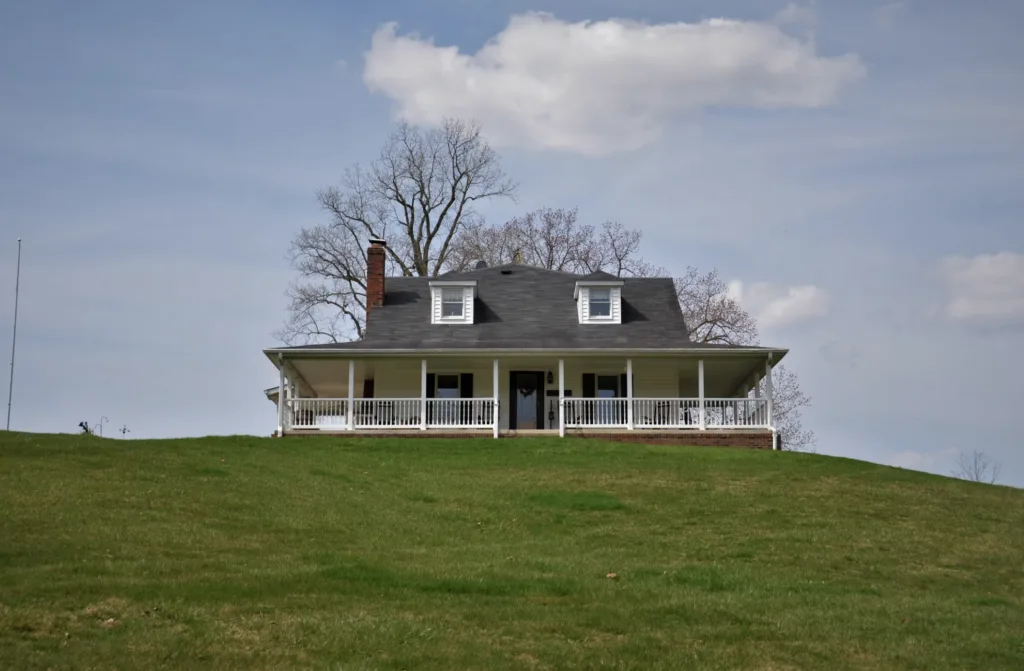
A modular home is built in large sections called modules inside a climate-controlled factory. Workers finish most of the interior and exterior work under roof before the sections leave the plant. Trucks carry the modules to your lot on temporary frames. A crane sets each piece onto a permanent foundation. Crews then join the modules, connect the systems, and complete the final finishes on site.
Local and state building codes guide every step. These are the same rules that apply to a house built stick by stick on the lot. Once the home is set and inspected, it becomes real property. Lenders, appraisers, and insurers treat it like any other permanent house. Buyers can choose layouts, finishes, and features with a high degree of flexibility. The finished result is hard to tell from a traditional site-built home.
What Is a Manufactured Home?
A manufactured home is also factory-built, but it follows a different path. Construction happens on a permanent steel chassis. That chassis stays with the home for the life of the structure. The finished sections travel to the site as single-wide, double-wide, or triple-wide units. Installation can use a temporary setup with piers and anchors or a more permanent foundation, depending on local rules and the buyer’s choice.
Federal standards set by the U.S. Department of Housing and Urban Development, known as the HUD Code, control design, safety, and energy features. These rules have applied to homes built since June 15, 1976. The home can sit on owned land or leased land in a community. In many cases it remains personal property unless the owner takes extra steps to convert it to real property. Design choices exist, yet the range is usually narrower than with modular construction.
Building Codes and Standards
The code difference sits at the center of the comparison. Modular homes must meet the International Residential Code or the specific state and local versions of those rules where the home will stand. Inspectors check the work both in the factory and on the final site. This match with site-built standards is why modular homes qualify for the same treatment in most towns.
Manufactured homes follow the single federal HUD Code. That code sets minimum requirements for strength, fire safety, and energy use across the country. Some communities limit where these homes can be placed because of local zoning preferences. The federal standard allows consistent production, yet it does not always equal the stricter wind, seismic, or fire rules found in many state codes.
Foundation and Permanence
Modular homes sit on permanent foundations. Concrete slabs, crawl spaces, or full basements are common. The transport frames are removed after placement. The home becomes a fixed part of the real estate.
Manufactured homes keep their steel chassis. They can rest on temporary supports or be anchored to a permanent foundation. The choice affects whether the home can later be moved and how local tax and ownership records treat it. Permanence is possible, yet it requires extra paperwork and installation steps that modular homes do not need.
Financing Options
Because modular homes are real property from the start, buyers usually qualify for conventional mortgages, FHA loans, and VA loans. The appraisal process follows the same path used for site-built houses. Interest rates and terms tend to match those available for traditional homes.
Manufactured homes often require specialized financing. Chattel loans treat the home more like personal property. Certain FHA programs exist when the home sits on a permanent foundation and the land is owned. Rates and terms can differ from standard mortgages. Buyers who want the simplest path to conventional financing generally find modular homes easier to finance.
Customization and Design Flexibility
Modular construction gives buyers wider choices. Modular home floor plans can be adjusted for open living spaces, extra bedrooms, or multi-story layouts. Material selections for kitchens, baths, exteriors, and interiors cover a broad catalog. The factory process still allows changes before the modules leave the plant.
Manufactured homes offer selections within set models. Single-wide, double-wide, and triple-wide sizes limit some design freedom. Buyers can pick finishes and certain features, yet major structural changes are less common. The chassis and federal standards shape what is practical to produce.
Cost Considerations and Long-Term Value
Up-front prices for manufactured homes are often lower. The federal code and chassis construction keep production costs down. Modular homes cost more, usually, than manufactured units of similar size yet still sit below the price of many fully site-built houses. The permanent foundation and local-code requirements add to the modular total.
Over time the value picture changes. Modular homes tend to follow local real-estate market trends. They can gain value much like neighboring site-built houses when the location and upkeep are strong. Manufactured homes may hold steady or decline depending on the foundation type, land ownership, and surrounding market. Placement on owned land with a permanent foundation improves the outlook, yet the starting point remains different.
Construction Process and Timeline
Both types benefit from factory speed. Weather does not stop indoor work. Materials stay dry and protected. Modular home sections leave the plant largely complete and move onto a prepared foundation. Site crews finish the connections and trim in a matter of days or weeks after delivery.
Manufactured homes sections join at the site, utilities connect, and skirting or foundation work finishes the installation. The overall calendar from order to occupancy is often shorter for manufactured homes, while modular projects balance factory time with foundation and site preparation that can run in parallel.
Durability, Safety, and Zoning
Modular homes gain strength from the need to travel on highways. The modules are engineered to handle transport stresses. Local codes often require higher wind and fire resistance than the federal minimums, making them more durable for local weather conditions. Once set, the home performs like a conventional house.
Manufactured homes meet federal safety and durability standards that are often lower than local standards. Modern versions include better insulation and structural features than older units. Zoning can still limit placement in some neighborhoods. Buyers should check local rules early. Modular homes face fewer such restrictions because they match site-built codes.
How Shorten Homes Builds Lasting Modular Homes
Shorten Homes has focused on custom modular construction for families across Pennsylvania, New York, and New Jersey for more than four decades. The company builds in a controlled factory setting, then delivers and sets homes on permanent foundations that meet local codes. Buyers work with an on-site design center to select layouts and finishes.
Models such as the Easton, Woodland, and Hawthorne II show the range of sizes and styles available. The process includes foundation options with Superior Walls systems, full site work within a defined radius, and a ten-year protection plan on the structure. Every home is treated as real property from the moment it is set, opening the door to standard mortgage options and long-term value that tracks with the local market.
About Shorten Homes
Shorten Homes is your premier modular home builder in the Pennsylvania, New York, and New Jersey area.
We create beautifully built custom modular homes designed for modern living.
Founded by Jim Shorten in 1977, Shorten Homes remains family-owned and operated.
As of 2025, we celebrate over 48 years in business.
Our track record speaks for itself.
We have built more than 5,000 homes to date.
Recent successes in 2022, 2023, and 2024 earned us #1 Builder status.
Modular home customer reviews across the region trust our commitment to quality and satisfaction.
What We Deliver
- Cutting-edge design paired with quality building practices
- Energy-efficient, highly functional homes tailored to your needs
- Unparalleled craftsmanship from start to finish
- TurnKey options that handle sitework, permits, and more
- Exclusive Superior Walls foundations installed in less than one day
- A full 10-year protection plan covering major structural defects
Our Exceptional Promise
Tailor Made
- We create, design, and build plans from the ground up
- Your dream home ready in just a few months
- Sales team with 60 years of combined experience
- Complex custom homes built in state-of-the-art indoor factories
Options Overload
- Huge catalog of kitchen, bathroom, exterior, and interior choices
- Expert guidance every step of the way
Worry-Free Warranty
- 10-year protection plan on major structural defects
- Coverage you will not find with other builders
Exceptional Service
- Support from your first visit through construction and beyond
- Thorough walkthrough before move-in
- Free repairs for any issues after you move in
Turnkey Experience
- We handle sitework, permits, and the full process
- Or you can manage parts yourself
- Move into a brand-new custom home in a few short months
- Exclusive use of Superior Walls foundations
- Available in 4, 8, 9, and 10-foot heights
- Fully insulated and prepped for drywall and electrical
- Installed on-site in less than one day
Explore Our Service Areas and Showroom
Popular modular home models include The Easton, The Woodland, The Hawthorne II, and additional floor plans.
Service areas for custom modular home construction cover multiple counties throughout Pennsylvania, New York, and New Jersey.
Shorten Homes offers a selection of fully decorated custom modular homes on display at:
1110 Scranton Carbondale Hwy.
Scranton, PA 18508
OPEN HOURS:
Monday-Saturday: 9 am to 5 pm
An on-site design center allows clients to review popular materials and finishes for kitchen, bathroom, exterior, and interior selections.
Ready to begin?
Call 1-888-255-9917 or visit https://shortenhomes.com/ today for a free quote.
FAQ
Can a modular home look just like a site-built house?
Yes, once the modules are joined on a permanent foundation, finished, and the site is completed, most people cannot tell the difference from a traditional house. Local and state building codes guide the construction the same way they guide a home built fully on the lot, so the exterior style, roof lines, and interior details match what buyers expect from site-built homes. The factory process still allows for a wide range of layouts and finishes, which means the final result can blend into any neighborhood. Many families choose modular construction for this exact reason when they want a permanent home that performs and appears like any other real-property house.
Is a manufactured home the same as an older mobile home?
No, the terms describe different things under current rules. Homes built before June 15, 1976, followed earlier standards and are often still called mobile homes, while manufactured homes follow the federal HUD Code that has applied since that date. Manufactured homes are built on a permanent steel chassis and can be single-wide, double-wide, or triple-wide units that travel to the site. The chassis stays with the structure, and placement can use temporary supports or a more permanent foundation depending on local requirements. This legal and construction distinction affects ownership classification, zoning, and how the home is treated over time.
Which type is easier to finance with a regular mortgage?
Modular homes typically qualify for conventional mortgages, FHA loans, and VA loans because they become real property once set on a permanent foundation and inspected under local codes. The appraisal process follows the same path used for site-built houses, which keeps financing options straightforward for most buyers. Manufactured homes often start as personal property and may need specialized loans such as chattel financing or specific FHA programs that apply only when the home sits on a permanent foundation on owned land. The code and foundation differences create this gap in available loan types and terms.
Do modular homes hold their value better?
Modular homes tend to follow local real-estate market trends in the same way site-built houses do when the location and upkeep remain strong. Because they meet local and state building codes and rest on permanent foundations, appraisers and lenders treat them as real property from the start. Manufactured homes can hold value when placed on owned land with a permanent foundation, yet their starting classification as personal property in many cases creates a different long-term path. The permanence and code match of modular construction support value that moves with the surrounding neighborhood.
How do I know which option fits my land and budget?
Review local zoning rules first, then confirm the foundation type and financing path that match your plans. Modular construction works well when you want a permanent home that meets the same codes as site-built houses and opens standard mortgage options, while manufactured homes may suit situations that prioritize lower upfront cost or flexible placement. Look at the level of layout and finish flexibility you need, since modular homes generally offer broader customization within the factory process. Checking site conditions, local permits, and ownership goals early clarifies which path aligns with your land and overall plans.
Read Also:
- How to Design Modular Homes
- Everything You Need to Know About Custom Modular Homes
- The Ultimate Guide to Modular Home Floor Plans
- The Complete Guide to Customizing Your Modular Home
- What Comes with a Shorten Homes Foundation
Start your search for the right modular home with Shorten Homes and see the difference for yourself.